

Sunday 22 March 2026 0:00
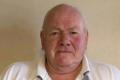
AN Antrim pastor has shared the devastating impact of paramilitary murder on his family - and how he learned to forgive the killers.
Stephen Thompson lost his aunt Yvonne Dunlop during the early days of the Troubles.
The 27-year-old, a mother of three boys, was burned to death in October 1976 after an IRA fire bomb went off in the clothes shop she was working in at Bridge Street in Ballymena.
Later that same day, 40-year-old Catholic man, Sean McCrystal, was killed in retaliation by the UVF. His burning body was found on waste ground on North Street close to scene of Yvonne’s murder.
Among those jailed for the attack was IRA member Thomas McElwee, who later died in the 1981 Maze hunger strike.
Back in 2023, Pastor Stephen and his wife Eleanor established Truth Revealed Community Church in a unit previously occupied by Antrim Community Church, at Parkhall Shopping Centre.
And since then the local man, a trained counsellor, has carried out important outreach work across the community - most recently to help tackle the blight of drugs in the town.
But this week he has shared a moment from his own past, and how his family came to terms with unimaginable heartbreak in their midst.
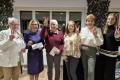
He agreed to take part in an emotional event to mark European Day for Victims of Terrorism hosted by TUV MLA Timothy Gaston at Stormont.
He recalled how his grandparents stepped in to raise his cousins, even though the ‘weight of losing a daughter in such a brutal way was something no parent should ever have to endure’.
“My granddad was never the same after Yvonne’s death, many of us believe he died of a broken heart,” he said.
“My daughter is exactly the same age Yvonne was back then. I can’t even begin to imagine the hurting that he suffered.
“The grief never truly left him. The pain of burying his own child marked him deeply and permanently.”
He also spoke of the extended impact on his family, including them moving to Nottingham and his sister becoming addicted to drugs.
The message was stark: violence ‘does not stop at one act’.
“When people speak about the Troubles, the phrase can sound distant and almost clinical, but for families like mine and many others, there was nothing abstract about it,” he said.
“Violence was not something you watched on the news. It came into your home, your conversations, your sense of safety and your future.
“Yvonne’s death devastated. It created a wound that did not simply heal with time. It changed the course of our lives in ways we could never have imagined.”
He added: “Violence does not end when the act itself is over. It simply doesn’t.
“It travels through generations. It shapes relationships. It influences how people see the world, how they trust and how actually they cope.
“It creates anger, rage, bitterness and a deep sense of injustice that can last for decades. I know this because I felt a lot of these emotions myself.”
He said he found his faith in his 30s, not coming from an overly religious family, but it became ‘central’ to his processing of grief.
“I did forgive,” he said.
“Forgiveness for me was not about excusing what happened, what happened was wrong and will forever be wrong.
“It was not about saying the act was acceptable because it wasn’t.
“It was not about forgiving, nor was it about removing responsibility from those who carried it out.
“Forgiveness was something I did for my own heart and my own peace.”
And it is undoubtedly more than words.
Pastor Thompson revealed that he had met one of those involved in the attack on his aunt years later at an event, and how in that moment he realised he had found ‘genuine forgiveness’.
“One of the bombers was in front of me and he handed me a cup of a tea - I thanked God for grace that day, carrying anger does not heal,” he said.

Stay connected to us to get the latest news and updates.


Alpha Newspaper Group
49 High Street, Antrim, BT41 4AY
Tel: 028 9446 2624